
Distribution Poles That Endure Everywhere Your Grid Lives
Every Pole Has a Job to Do: EnduraPOLE™ is Right For Many Applications
From dense downtown networks to remote feeder lines, EnduraPOLE™ adapts to your grid’s real-world demands. Utilities use EnduraPOLE™ for everyday distribution, emergency storm recovery, and grid modernization prioritizing long-life, low-maintenance material. Engineers trust it for new builds, retrofits, or replacements where lightweight handling, code compliance, and fast field performance matter most.
Whether hardening a line through wildfire-prone corridors, upgrading aging coastal infrastructure, or streamlining suburban pole swaps, EnduraPOLE™ installs fast, stands strong, and earns its spec.

You Don’t Spec Utility Poles for Easy Days
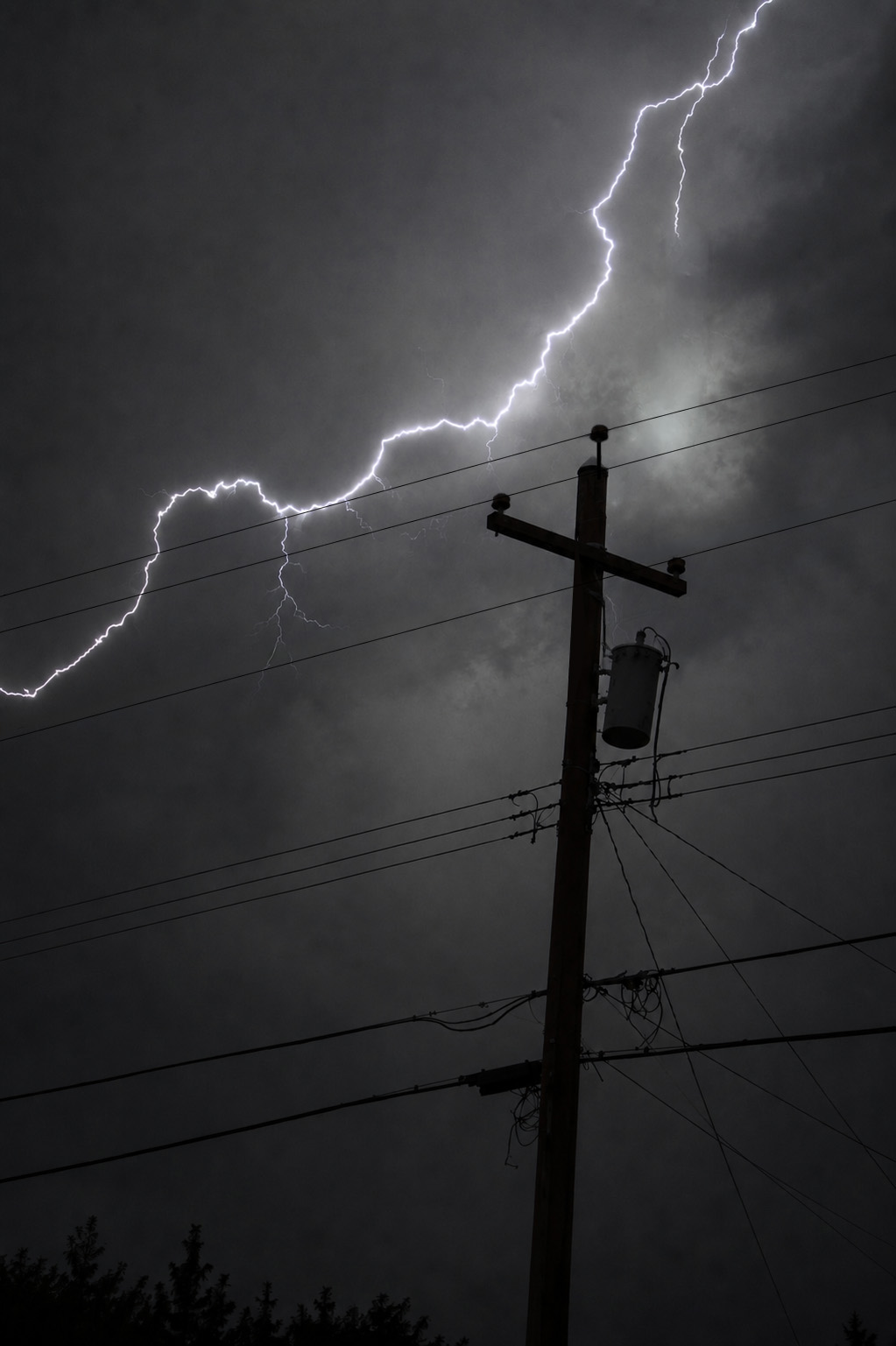
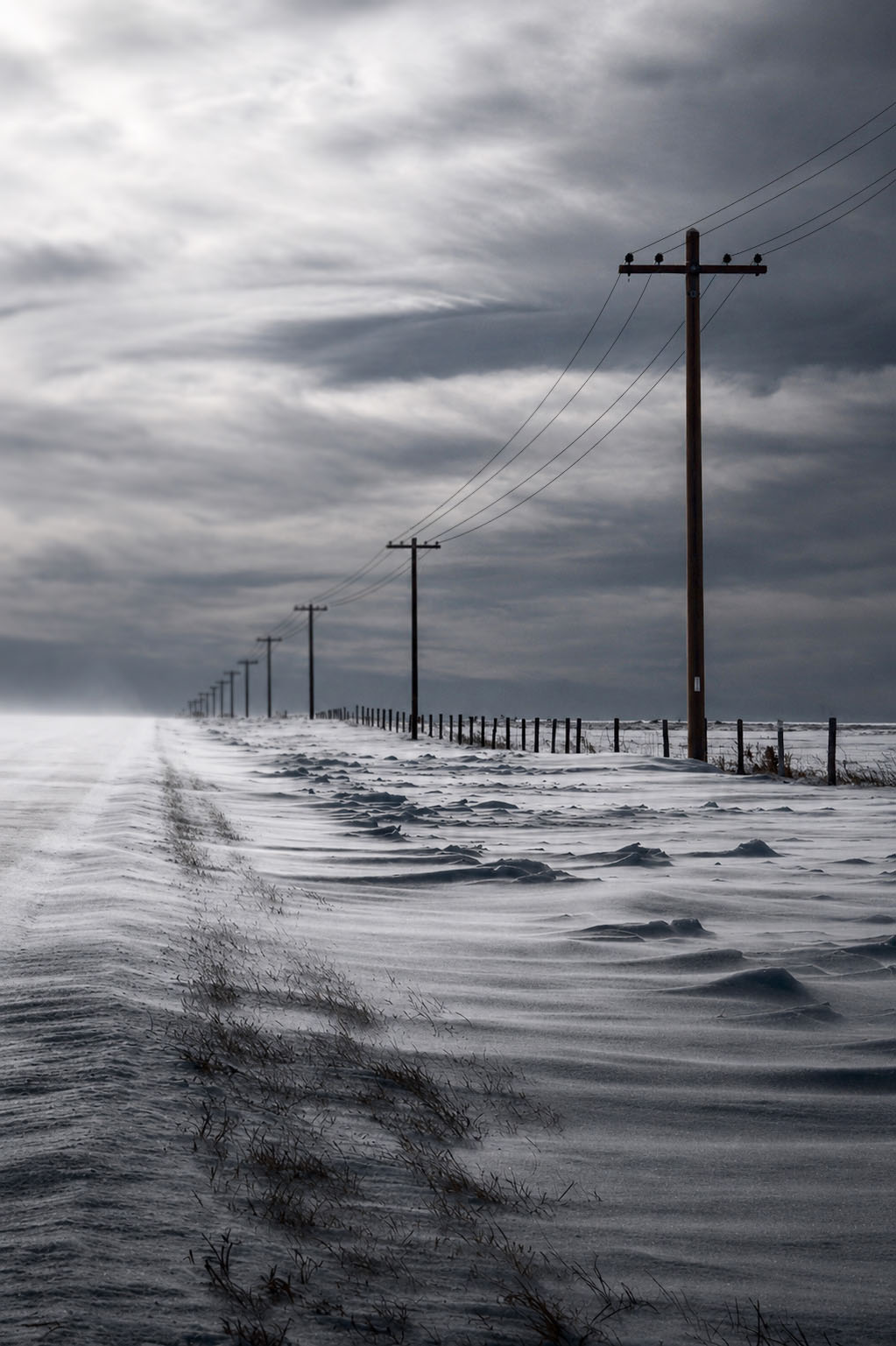
You spec them for extreme environmental conditions, tight ROWs, and long miles in tough terrain. Thursday Poles has your back from blueprint to installation.
- =Certified deflection pole ratings and load modeling with CADD, PLS-CADD, and SolidWorks-ready files
- =Resists wind, fire, corrosion, decay, pests, and other extreme conditions
- =Lightweight design to reduce crew fatigue and speed up handling
- =Responsive spec review and documentation support to ensure compatibility with ASCE/ANSI-ACMA/EIA/TIA standards
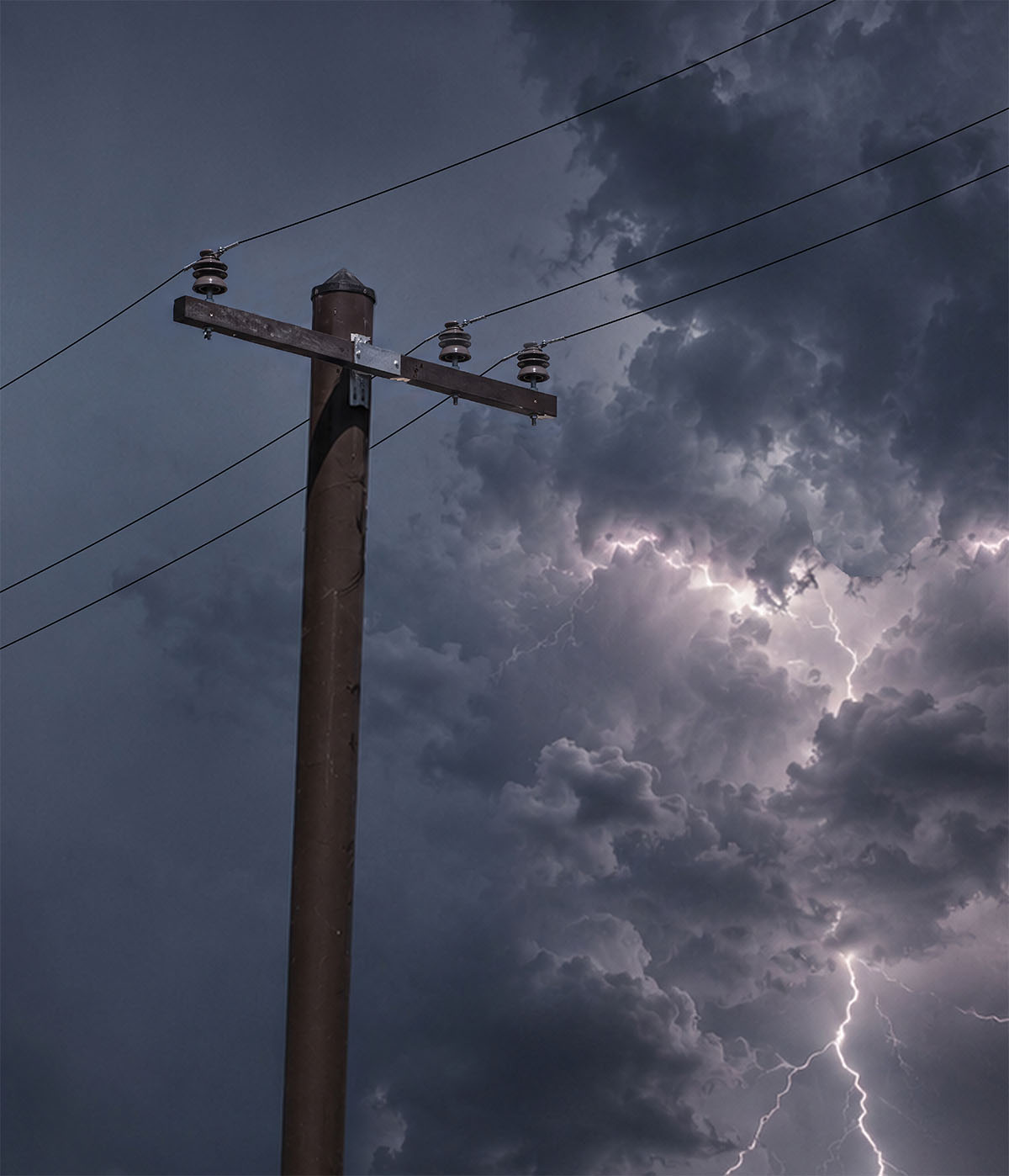
Built for Linemen, Designed by Engineers
Composite vs. Wood: A Shift in Expectations
What happens when you challenge a century of wood with a smarter material? Wood has history. Fiberglass composite has staying power. When it comes to performance, lifecycle economics, and long-term resilience, composite distribution poles raise the bar where traditional poles underperform. Explore the comparisons.
LIFECYCLE COST
Composite
Higher initial investment, offset by a service life of 80+ years with virtually zero maintenance. Plus, composite poles are inherently non-conductive and non-toxic.
Wood
Lower upfront cost, but high lifetime expense from replacements, inspections, and recurring treatments.
Steel
Long life potential, but may require costly coatings and frequent inspections to manage corrosion.
Concrete
Inherently tough, but expensive to transport, install, and repair. Susceptible to cracking and spalling over time.
The Bottom Line
Fiberglass composite poles net significant savings over time through fewer truckloads, lower field labor costs, and reduced liability exposure.
WEIGHT PER FOOT
Composite
About 12.5 lbs/ft. Lightweight and easy to maneuver, even in rugged terrain—often with smaller crews and basic lifting tools.
Wood
20–30 lbs/ft. Heavier than composite and varies with moisture. Can be difficult for crews to handle safely—especially in wet or uneven terrain.
Steel
20–40 lbs/ft. Lighter than concrete but still requires heavy machinery. Challenging in remote areas due to access and handling constraints.
Concrete
45–60 lbs/ft. Extremely heavy, requiring cranes and long setup times. Transport and installation are slow and labor-intensive.
The Bottom Line
Lightweight fiberglass composite poles are safer and quicker to install without the need for specialized lifting equipment.
RESILIENCE UNDER LOAD
Composite
Engineered to resist fire, UV exposure, moisture, corrosion, and pests like termites or woodpeckers with consistent strength throughout the pole.
Wood
Prone to rot, insects, and structural degradation, especially in coastal and other wet environments and high fire risk areas (HFRA).
Steel
Strong initially but vulnerable to rust and corrosion weakening especially at dead end structures, cutouts, and contact points.
Concrete
Cracks under thermal cycling, stress loads, and environmental exposure while making it difficult for crews to assess internal damage.
The Bottom Line
Fiberglass composite keeps its integrity when the system’s under stress and in harsh conditions—whether from hurricane-force winds or years of use.
MAINTENANCE FREQUENCY
Composite
Inherently durable and non-toxic with no need for chemical treatments or scheduled maintenance.
Wood
Requires frequent inspections resulting in ongoing test-and-treat cycles and efforts to address environmental compliance issues.
Steel
Requires recoating, rust and corrosion management, and routine structural evaluations to extend usable service life.
Concrete
Needs regular inspections for cracks, spalling, and surface degradation, and repair options are limited and expensive.
The Bottom Line
Requires less time on upkeep and pay more attention to grid performance with fiberglass composite utility poles.
Ready to Upgrade Your Grid’s Backbone?
Switching to fiberglass composite for distribution poles is all about locking in long-term performance, securing smarter project economics, and future-proofing your critical infrastructure.