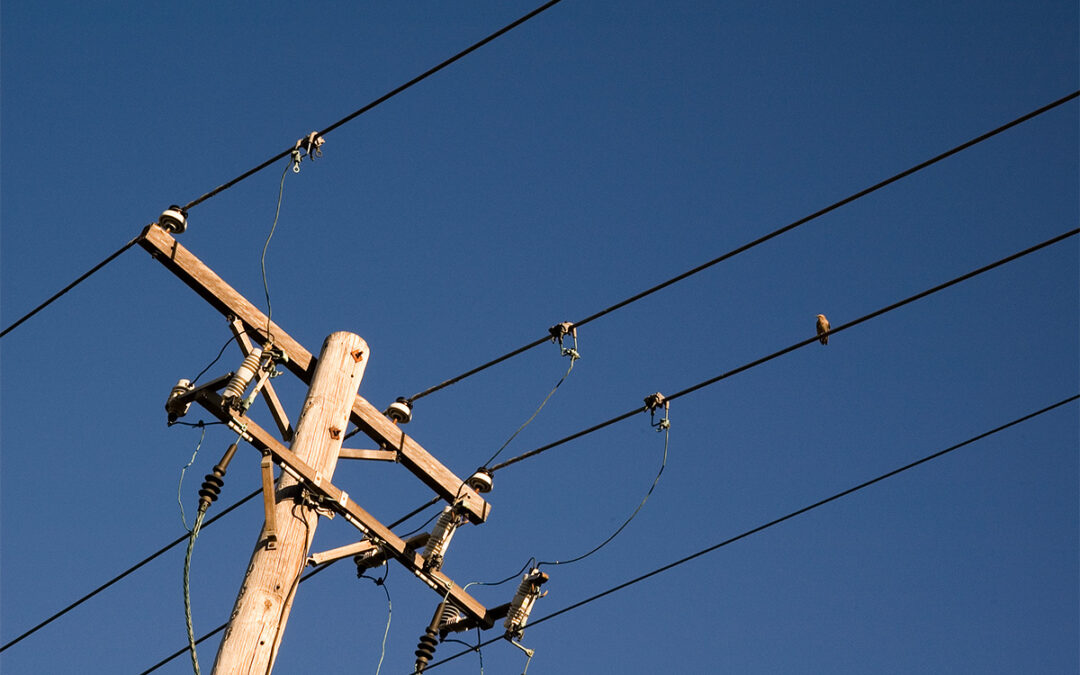
Wood poles typically need to be treated with a preservative to maximize the potential for long service lives. The two predominant preservatives are creosote and pentachlorophenol (penta). 79% of all wood poles currently in service use either of these preservatives.
For municipalities managing creosote and penta treated utility pole infrastructure, environmental compliance doesn’t end once the pole is installed. These preservatives can leach from the treated pole over time, and EPA continues to evaluate its environmental and occupational risks through its ongoing review process. Separately, a retired pole can trigger a waste determination under federal, state, or local requirements. These environmental and disposal considerations can persist through decades of service, making them part of the broader decision when municipalities compare pole materials for long-term infrastructure.
How Creosote and Penta Leaches from Treated Wood Poles and Potential Hazards
The Agency for Toxic Substances and Disease Registry’s (ATSDR) identifies several ways in which creosote and penta constituents can leave treated wood after installation. Rainwater can leach compounds from the wood, while other constituents can reach the surrounding environment through surface exudation or volatilization. Release rates vary with temperature, water conditions, wood density, and time since treatment.
The primary hazards from Creosote and Penta are summarized in the chart below.
Primary Hazards of Creosote- and Penta-Treated Wood Poles
| Wood Preservative | Primary Human-Health Hazard | Primary Environmental Hazard |
|---|---|---|
| Creosote Coal-tar based | Dermal exposure to creosote and PAHs — skin irritation, photosensitivity, and potential long-term carcinogenic effects. | PAHs released into soil — contamination near poles with potential migration to groundwater or surface water. |
| Pentachlorophenol Penta / PCP | Dermal absorption of PCP from treated wood or contaminated soil; inhalation exposure may also occur. | PCP leaching into surrounding soil — potential groundwater or surface-water impacts; older formulations may also contain dioxin and furan impurities. |
Key takeaway: Direct contact is an important human-exposure concern for both preservatives, while release into surrounding soil is the primary environmental concern.
Leaching of these preservations can have severe effects on both humans and the environment. Harmful chemicals can contaminate the ground water and aquatic environments resulting in health effects for both humans and animals.
The material difference is still significant. Creosote and penta treated wood poles contain a preservative capable of leaving the pole during service causing harmful chemicals to be released into the environment. Fiberglass composite poles contain no preservatives, so that release pathway does not exist. The U.S. EPA recognizes fiberglass as a non-chemical alternative to treated wood utility poles. Fiberglass poles eliminate the potential for release of pentachlorophenol, creosote, and associated wood-preservative contaminants from the pole into surrounding soil and water.
How Future Regulations Could Affect Poles Installed Today
For U.S. utility owners, the regulatory futures of pentachlorophenol (PCP/penta) and creosote are now quite different. Based on EPA’s current position, penta is being eliminated as a wood-treatment pesticide, while creosote is expected to remain available for utility poles but under increasingly stringent risk controls.
Creosote remains approved for commercial applications, including utility poles. That approval is subject to EPA registration review, which reevaluates registered pesticides at least every 15 years against current human-health and environmental standards. As new evidence is reviewed, requirements can change. The current review has already identified environmental risks tied to certain uses and resulted in additional worker protections.
A pole installed today can remain in service through future review cycles. That means the creosote requirements in place at purchase may change while the pole is still in service. Existing poles may remain in the system even if future rules restrict how creosote is used on new infrastructure. In the meantime, creosote constituents can continue to leave the treated wood during service.
Pentachlorophenol provides a directly relevant precedent. The preservative was used mainly to treat utility poles and crossarms before the agency required its cancellation in 2022, determining that its worker-health risks outweighed its benefits given the availability of viable alternatives. While existing penta treated poles will be “grandfathered” and will not need to be replaced, the use of new penta treated poles will be phased out after February 2027.
What Disposal Requirements Apply to Retired Creosote Utility Poles?
When a municipality or utility discards a creosote-treated or as penta-treated wood pole, the EPA requires it as the waste generator to determine whether the material qualifies as hazardous waste. The agency’s hazardous-waste determination process sets out how that decision is made, and state programs may impose additional requirements.
The classification determines how the retired material must be managed. A pole that qualifies as hazardous waste becomes subject to the applicable hazardous-waste requirements rather than the disposal practices used for nonhazardous material.
That makes material identification important in systems that contain several generations of wood poles. Treatment records can help establish which preservative is present and support the waste determination when poles are removed years or decades after installation. Where records are incomplete, the utility may need other information or testing to support that determination.
The practical implication is an additional compliance step at the end of an already long asset lifecycle. Before selecting a disposal path, the municipality needs to know what material it is removing and how that material is classified.
Change Your Utility’s Environmental Risk Profile with Composite Poles
The EPA lists composite materials among the alternatives to creosote-treated and penta-treated wood. Fiberglass composite poles achieve biological durability without the environmental and regulatory concerns of creosote and penta utility poles. For municipalities planning infrastructure, that means one less material-specific risk to manage during operation and retirement.
If your utility is evaluating utility pole materials, talk with Thursday Poles about how EnduraPOLE™ can fit your engineering standards, installation requirements, and long-term asset plans.
Frequently Asked Questions About Creosote and Penta Utility Poles
Are creosote and penta utility poles still permitted?
Yes. EPA permits creosote for commercial outdoor applications including utility poles. Creosote products are classified as restricted-use pesticides.
For penta utility poles, the EPA cancelled the registration for penta, thus ending its new manufacture, and distribution. Treatment facilities have until February 2027 to use up its existing stocks. The poles treated and in-service before the ban can remain in service and do not need to be removed.
Can creosote and penta leach from a utility pole after installation?
Yes, coal-tar creosote components and penta components can leave treated wood through rainwater leaching, surface exudation, and volatilization.
Does EPA consider creosote-treated wood and penta-treated wood an environmental risk?
EPA identifies potential risks to fish and invertebrates when creosote-treated wood and penta-treated wood are used in aquatic and railroad structures. Exposure varies by application and site conditions.
How do fiberglass composite poles reduce treated wood pole environmental risk?
Fiberglass composite poles contain no creosote or penta, eliminating the release pathway associated with creosote-treated wood during service.
What happens when a municipality disposes of a creosote-treated or penta-treated pole?
The municipality or utility must determine whether the discarded material qualifies as hazardous waste. That classification determines which waste-management requirements apply, and state requirements may add to the federal rules.
This article provides general information, not legal advice. Municipal utilities should confirm current federal, state, and local requirements before making compliance or disposal decisions.